Looking for science fiction space mystery stories? Choose a route by what you enjoy: detectives aboard ships, alien artifacts, or fiction tested against real space science. Each route below names a book or page to open first.
This guide is the starting point for the wider set of pages on this site. If you want the sky itself rather than the stories, the guide to unexplained space phenomena covers the real-world puzzles that fiction keeps borrowing.
Choosing a route through space mysteries
Space mystery fiction splits into groups that reward different moods. Pick the group first, then the book, because a reader who loves a closed-circle whodunit will not necessarily enjoy a story about a buried artifact, and the reverse is also true.

- You like clues, suspects and a solved case. Start with the detective routes: murder on a liner, a private detective on a colony world, an android partner on a crime scene.
- You like a thing that should not exist. Start with alien artifacts, buried ships and hollow asteroids, where the mystery is an object and its makers.
- You like puzzles that bend the rules. Start with stories in which a game turns real, a calculation takes ages, or the hero is himself the question.
- You like games more than books. Jump to the interactive section, then to the best space mystery games.
- You want the real science. Go straight to the final sections on meteorites, the Moon and telescopes.
A useful framing comes from a Book Riot reading list of spacefaring mysteries. It says its nine novels all take place in societies where space travel is the norm. That detail matters for choosing. In these books nobody is amazed by the ship, so the crime, not the wonder, carries the plot. Space itself works as a setting that adds isolation and stakes, in the list’s words the place no one can hear you scream.
If you are unsure, begin with the detective route. It has the clearest rules, the shortest path to a satisfying ending and the most books to choose from. Move on to artifacts when you want mystery without a culprit.
Detective stories aboard ships and colonies
The detective route suits readers who want a case to follow and a reveal at the end. The setting changes the method: a detective cannot leave a sealed ship, and a colony world has its own economy and its own secrets.
Liners, yachts and locked-ship puzzles
The luxury ship is the space version of the country house. A staff-created list from Toledo Library describes The Spare Man as set on a space liner, and Book Riot says the story follows a couple who booked a honeymoon cruise from the Moon to Mars. The same Toledo list describes HMS Fairweather as Her Majesty’s most luxurious interstellar passenger liner. Both reward readers who enjoy a cast of guests, a confined space and a crime that has to be solved before arrival.
The yacht variant is leaner. The directory entry for Polaris opens with six VIPs and a pilot who have gone aboard the luxury space yacht, and the premise is that they vanish. A small cast and a missing-person hook make this a good pick if you want pace over atmosphere. The science fiction mystery directory that records it is a handy shelf for browsing this style.
When the ship is empty rather than full, the mystery changes shape. Stories about crews who have gone, and hulls found drifting, are collected in the guide to abandoned spaceship mystery stories, and the fixed-orbit version of the idea is covered in the piece on an abandoned space station mystery. Choose those when you want the question to be what happened, not who did it.
Detectives on worlds and in cities
Detective fiction also travels well to planets. The directory describes Red Planet Blues as set on Mars, where private detective Alex Lomax becomes involved in the search for the secret location of priceless Martian fossils. That is a noir structure in a frontier setting, and it suits readers who like a hard-boiled voice more than a ship full of suspects.
The robot partner is the other classic variation. The same directory lists The Caves of Steel by Isaac Asimov as the first android detective, so it is the natural pick if you want to see where the human-and-machine investigator started. A related entry, Do Androids Dream of Electric Sheep?, is noted there as the basis of the film Blade Runner, which makes it a good bridge for film fans.
One more detective-style premise appears in a Book Riot list: Seven of Infinities follows a poor tutor and a sentient mindship as they try to solve a mystery. Choose it when you want a partnership between a person and a ship rather than a lone investigator.
Alien artifacts and buried ships
The artifact route trades suspects for an object. The central question is no longer who committed the act but what the thing is, who built it and what it wants. It suits readers who enjoy slow reveals, speculation and a sense of scale.
Strand Magazine’s list of lesser-known science fiction mysteries offers two contrasting examples. In The Tommyknockers, an alien spaceship that has been buried for millennia in the Maine woods begins to affect the town around it. In Gateway, explorers use alien ships discovered on a hollow asteroid. The first puts the artifact in an ordinary rural setting and the second sends people out to it, so pick by whether you prefer the strange arriving at home or the crew going out to meet it.
The classic of the form is Rendezvous with Rama by Arthur C. Clarke, shown on a Goodreads space exploration shelf with a 1973 publication date. It is the right choice if you would rather explore an unexplained vessel than argue about its owners. The page on Rendezvous with Rama explained goes through the novel and the wider tradition of alien artifacts in more depth.
Megastructures and engineered worlds
A related branch asks what an advanced civilisation might build. The Toledo list describes one story in which Mercury is converted, its resources turned into solar-collecting megastructures. If that idea appeals, read the explainer on what is a Dyson sphere, which separates the fictional versions of the idea from the scientific one. Megastructure stories are the point where the artifact route turns most clearly into a science conversation.
When the artifact is a person
Not every mystery object is a vessel. In Armor, the protagonist, known only as Felix, presents several mysteries by his very existence, among them his past and his enlistment. Read it if you want the puzzle to sit inside a character rather than in an object. For readers who want the first meeting with another species to be the mystery, the guide to best first contact sci-fi stories is the next step.
Choosing classics by their publication details
Publication details help you decide which era you are reading in, and whether you can find a copy. The table below compares several entries on the same criteria so you can pick one without opening each page.
| Title | What the listing records | Publication detail | Planning use |
|---|---|---|---|
| The Caves of Steel | Described as the first android detective | By Isaac Asimov | Start here for the origin of the human-and-robot detective pairing. |
| Polaris | Six VIPs and a pilot aboard a luxury space yacht | Listed in the science fiction mystery directory | Choose it for a compact, missing-people hook in a luxury setting. |
| Red Planet Blues | A Mars detective hunting priceless Martian fossils | Listed in the same directory | Pick it if you want a hard-boiled voice on a frontier world. |
| The 13 Crimes of Science Fiction | A themed collection edited by Isaac Asimov | 1979 | Good for sampling many crime premises without committing to a novel. |
| Century Rain | A novel by Alastair Reynolds | 2004 | A later-era entry for readers who want a more recent mystery shelf title. |
Entries are taken from the science fiction mystery directory, with the premise of The Spare Man and other spacefaring titles described in the Book Riot reading list.
The directory also records Alien Crimes as published by the Science Fiction Book Club in 2007, which signals a club edition rather than a first trade release. That is useful if you are hunting a copy: book club editions are a likely place to look for older collected volumes. Use the dates to build a timeline. Asimov’s work is the older end, the 1979 collection sits in the middle, and Century Rain in 2004 and Alien Crimes in 2007 give you a modern end to compare against.

For a more recent exploration-minded novel, the Goodreads shelf lists Andy Weir’s Project Hail Mary as published in 2021. It is a good counterweight if the older books feel dated, though the shelf is about space exploration generally and not only mysteries.
Puzzle stories that bend the rules
Some of the most memorable science fiction mysteries do not fit the detective or artifact moulds. They use structure, scale or reality itself as the puzzle. The route is best for readers who have already tried the other two and want something stranger.
- A game that stops being a game. In This Is Not a Game, the game merges with reality when an actual murder occurs. Read it if you enjoy stories where the audience becomes part of the puzzle.
- A question with a famous answer. The Hitchhiker’s Guide to the Galaxy features a supercomputer that spends millions of years calculating the answer, which turns out to be 42. It is the right pick when you want comic mystery, where the joke is that nobody understood the question.
- A character as the case. Armor, covered earlier, belongs here for readers who prefer an identity puzzle.
If you would like to hear mysteries instead of reading them, the guide to the best sci-fi mystery podcasts collects audio options. If you want to build your own, see how to write a sci-fi mystery, which explains what these structures have in common.
Dread is a separate flavour, and it is worth keeping apart from the puzzle shelf. Stories where the unknown is menacing rather than curious are in the guides to space horror stories and space horror infection stories. Read those when the mood you want is unease.
Games and interactive stories
Science fiction games and interactive stories use real science mostly as a set of rules the player can reason with. Where a novel describes a mystery, a game lets you test it, so the useful question to ask of a title is whether its universe behaves consistently enough for you to deduce things from it.
The idea of an interactive mystery is older than video games. This Is Not a Game, noted above, builds its plot on a game that merges with reality, which is the same promise that alternate reality games make to their players. If that appeals, the sections of this site on DUST alternate reality game show how a puzzle story can spill out of the screen.
For a ranked starting point, use the guide to the best space mystery games, which sorts titles by what they ask of you. For one case in depth, the walkthrough of Outer Wilds explained shows how a single game builds a mystery out of exploration and physical rules.
Three judgements help when choosing. Prefer a game with consistent rules if you want to apply science, a story-driven game if you want character, and a book if you want a mystery that does not rely on your input.
Moons, Mars and the settings fiction borrows
Mars and the Moon are the most frequent settings because they are the nearest places a mystery could plausibly happen. In the verified examples, Red Planet Blues sets its fossil hunt on Mars, and The Spare Man’s cruise runs between the Moon and Mars. Both treat these worlds as places with commerce and crime, not just scenery.
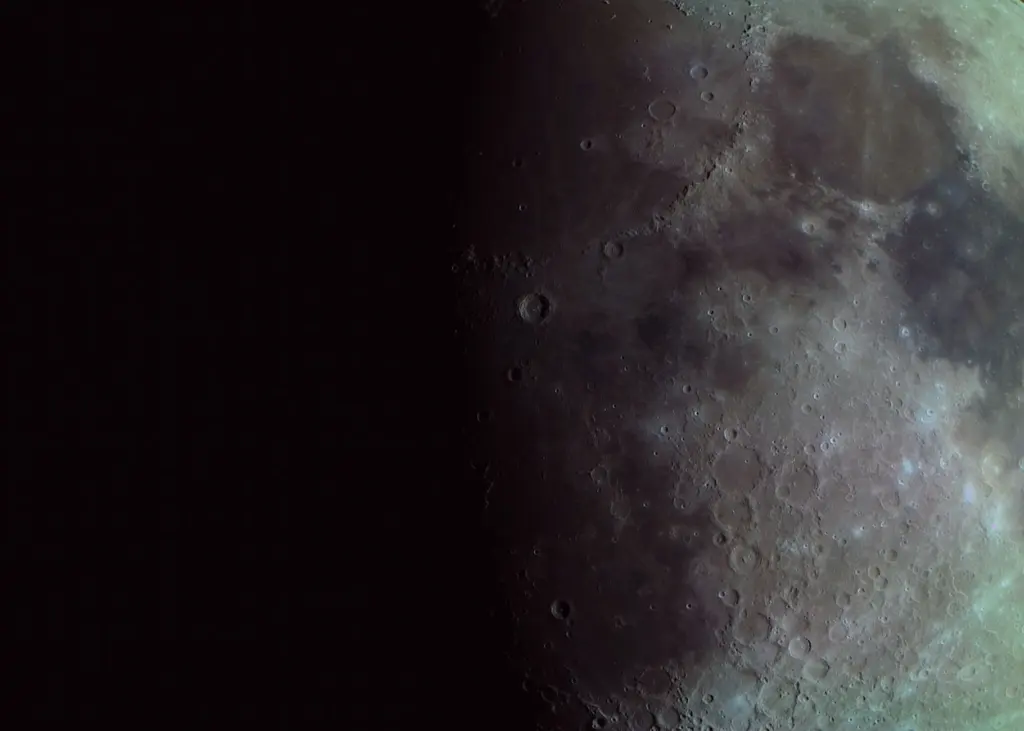
Fiction uses these places because their surfaces are already strange to readers. A cratered lunar landscape invites questions about how it formed and what it hides. For the real questions, the guide to unsolved mysteries of the moon separates what researchers still debate from what fiction invents. Read it after a lunar story to see which parts of the setting are real puzzles.
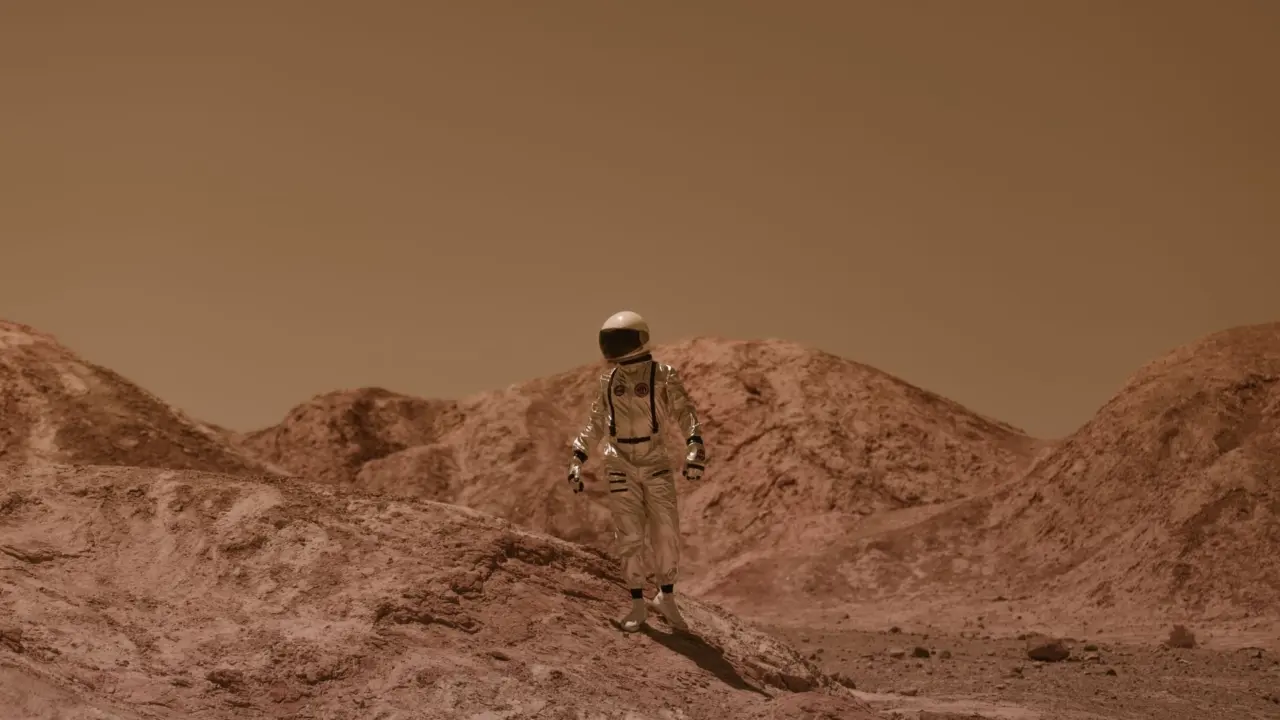
Mars works differently. A story about priceless fossils depends on the idea that Mars once held life, and that idea is a long-standing scientific question. Treat the fiction as a prompt rather than evidence: a novel can ask what a find would mean without telling you whether it will happen.
Checking the fiction against real science
The pleasure of space mysteries grows when you compare them with real research. The sensible rule is to treat the story as a question and the science as the way to test it. Where a premise relies on material from space or on life in hostile places, look for space agency publications and peer-reviewed work on meteorites and extremophiles instead of accepting the novel’s account.
Meteorites and buried visitors
Stories about a ship that has lain buried for millennia, or about a hollow asteroid, lead naturally to a practical question: what can physical samples from space actually show? Laboratory study is the way researchers examine such material, and it is the most direct counterpart to a mystery that begins with a found object.
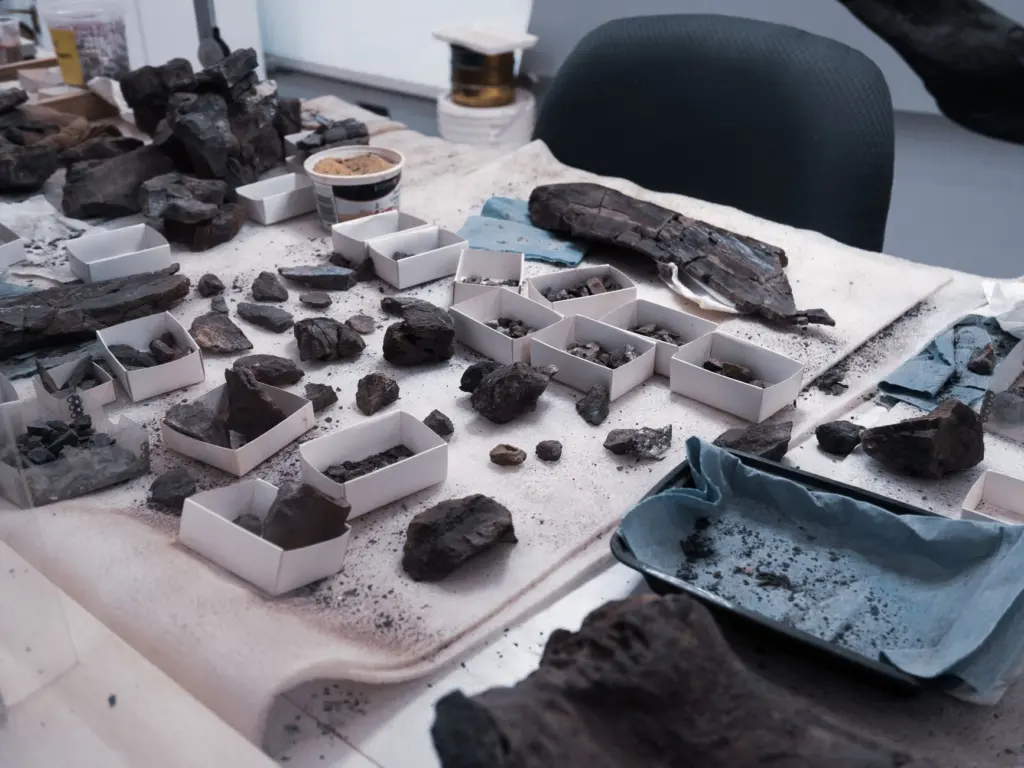
When you read a story that begins with a discovery, ask which parts a laboratory could settle and which belong to the author’s invention. A novel can say that something was buried for millennia; only an analysis could support such a claim in the real world. That habit makes the fiction sharper and the science easier to follow.
Black holes, telescopes and probes
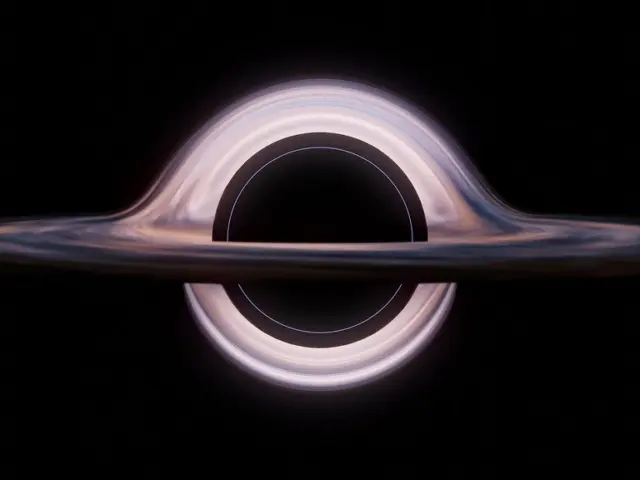
Some science fiction has a visible relationship with specific science. If you have seen a film with a black hole and wondered about its accuracy, the page on how accurate is Interstellar black hole compares its depiction with the science. It is a model for how to check any story: say what the fiction claims, then see what research supports.
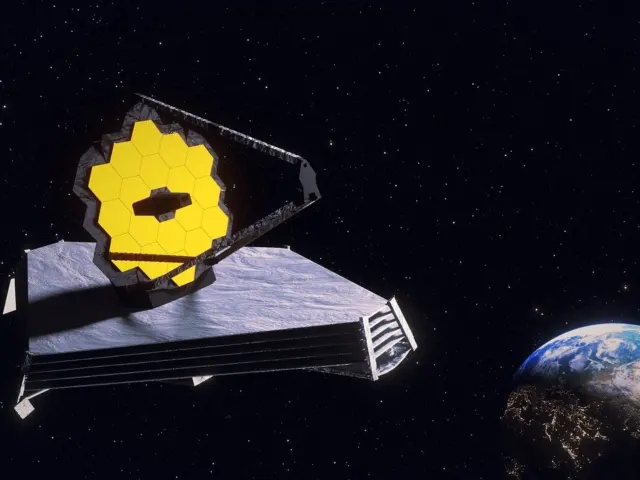
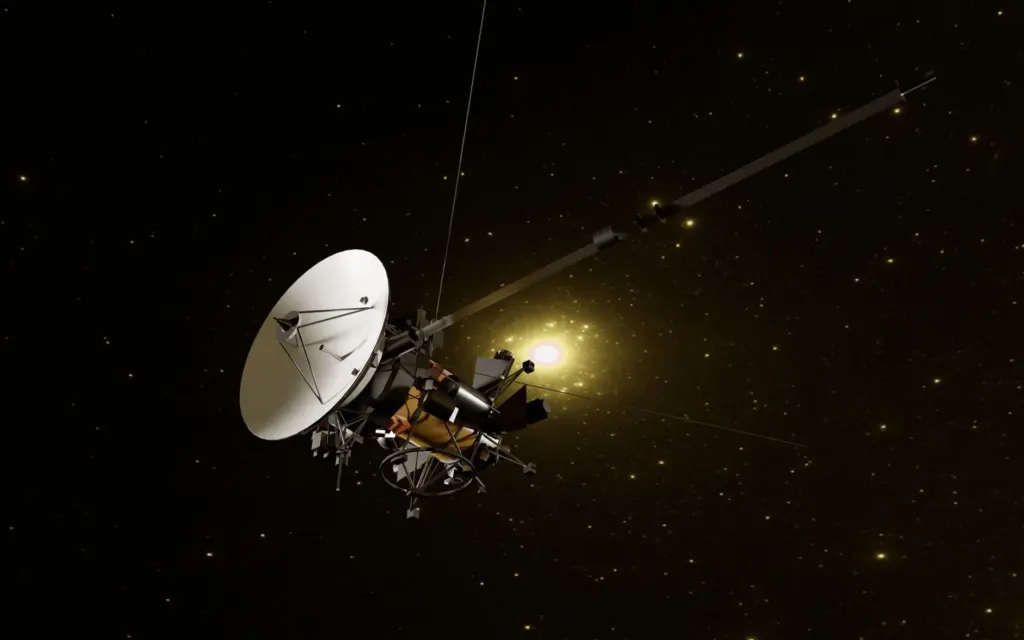
Probes are the real-world equivalent of the explorers in fiction. They go where people cannot and send back evidence, which is why so many stories treat a signal or an image as the first clue. Use that parallel as a reading tool: ask what instruments the characters have and what those instruments could and could not tell them.
A reading order for the science
Start with the page on unexplained space phenomena if you want the broad survey. Move to the Moon page if lunar settings drew you in, and to the black hole page if a particular film did. Finish with the Dyson sphere explainer when megastructure stories are what you enjoyed. That order goes from the widest to the most specific, so each page builds on the previous one.
Frequently asked questions
| Question | Answer |
|---|---|
| Is there a library list of space mysteries to browse? | Yes. Toledo Library has a staff-created list of 21 items that blend space settings with mystery plots. |
| Which space detective story became a film? | The science fiction mystery directory notes that Do Androids Dream of Electric Sheep? was the basis of the film Blade Runner. |
| Is there a recent exploration novel to pair with the classics? | Project Hail Mary by Andy Weir, published in 2021, appears on a Goodreads space exploration shelf. It centres on exploration more than detection. |
| Do I need a science background to enjoy these stories? | No. The stories set their own rules, and the real-science pages are an optional second step for readers who want to compare fiction with research. |