Arrived late to the DUST alternate reality game and unsure where to begin? Start with the story premise, then the puzzle types, then the community. DUST ran throughout spring 2015; a replayable version was also developed for educational settings.
DUST left a trail of story, puzzles and player discussion, and the best way in depends on what you want from it. For a plain description, read what was the DUST alternate reality game. The routes below match common goals to the right starting point and explain what to expect once you get there.
Choosing a route through DUST
Pick a route by goal rather than reading everything in order. DUST mixed fiction, science tasks and group discussion, so a reader drawn to only one strand can follow it without losing the thread. Each route below names where to begin and what to do next.
- Story first. Begin with the DUST ARG story summary to learn what happens to the young characters. Then use the DUST ARG timeline to place events in sequence. This route suits readers who want the plot before the mechanics.
- Puzzles first. Read DUST ARG puzzles for the kinds of problems players faced, then DUST ARG pregame for how the game opened. This route suits people who like ciphers, logic and codes more than narrative.
- Science first. Go to the clue-themes section below. Meteors, a mobile scanning task and a tardigrade thread each tie the fiction to real research topics, and that section explains how.
- Community and evidence. Jump to the sections on collaboration and research. They cover how players pooled effort and what the project’s own documentation records.
- Playing it yourself. Check is the DUST ARG still playable before investing time, because the original run was a time-bound event.
If you are unsure, take the story route. A puzzle makes more sense once you know why the characters need the answer, and the story gives the science threads a reason to exist.
What an alternate reality game is
An alternate reality game, or ARG, is a collaborative game that makes use of both the virtual and real worlds, according to the science.gov topic page on alternate reality games. There is no board and no console level to finish. The play space is a mix of websites, messages, phone tools and the player’s own surroundings.
That definition explains most of what feels unusual about DUST. Clues do not sit in one place, so the player’s main job is connecting them. A cipher result may point to a website, a website may point to data, and the data may matter only when someone compares it with a discussion thread. Reading the trail as a sequence of levels will mislead you. Reading it as a web of linked evidence will not.
Pacing is the other lesson from the genre. A player write-up on ARGN about the 2007 ARG-style game Evidence recorded 28 in-game emails, 25 of them within the first two hours. Content in this kind of game can arrive in bursts through ordinary channels such as email. Players who join late miss that rhythm, which is one reason an archived trail is easier to study than to experience as it happened.
The DUST story and its setting
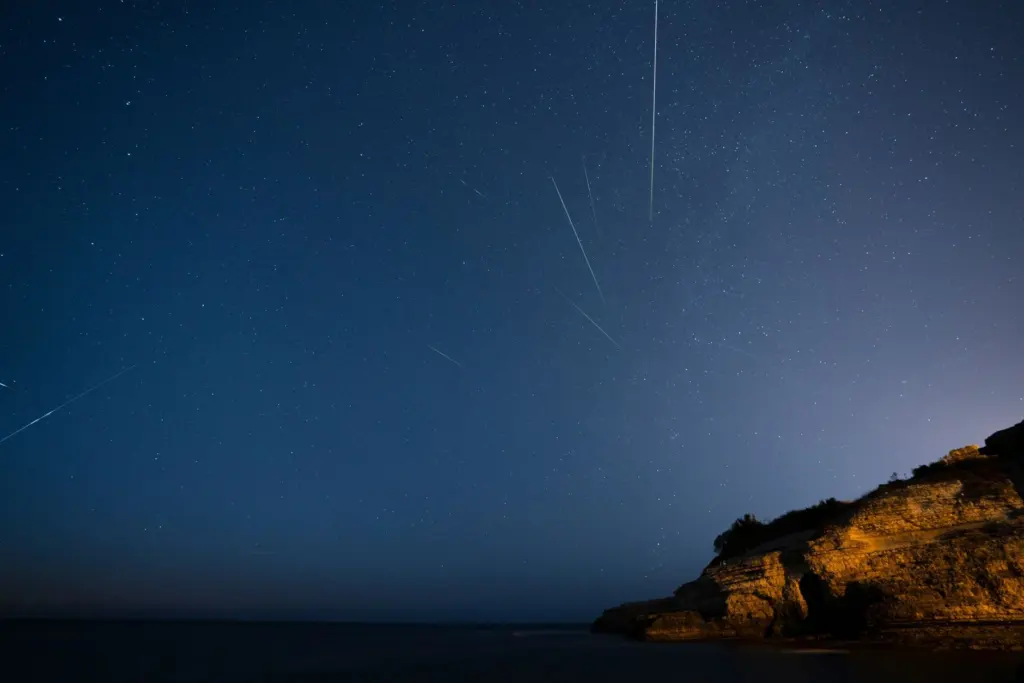
DUST follows a group of diverse young people visiting a NASA research facility during a meteor shower, as described by the University of Maryland’s Human-Computer Interaction Lab. The project introduced itself with the tagline “When the dust falls, will you?” The question frames the player as someone who must act when the story’s crisis arrives.
The same page says the game ran throughout the spring of 2015, and that its primary audience was teenagers aged 13-17. That audience note is useful for setting expectations. DUST was aimed at young players working together, so the puzzles are a sensible baseline for newcomers rather than a specialist test.
Players were also encouraged to co-construct the fictional storyline as they played along. A summary of the plot therefore describes only part of the experience, because the story was partly written by the people playing it. Keep that in mind when comparing accounts: two players could remember the same event through different discussions and different discoveries.
For readers who want the sequence of beats without the design commentary, the story route above is the shortest path. For readers who want to understand why the fiction was built around a research facility, the next section shows how each theme carried real scientific tasks.
Clue themes: meteors, scanning and tardigrades
DUST’s clue themes borrowed from real research subjects, and each asked players to do something rather than simply read. The project’s own description gives three that anchor the trail: meteors, a mobile scanning task and a biology thread built around tardigrades.
Meteors and the search for a source
The story opens with a meteor shower, and one task asked players to analyze scientific data to find the source of the meteors, per the University of Maryland project page. The task turns an astronomy question into a data problem. The fuller walkthrough sits with DUST ARG meteors.
One point about vocabulary helps. The game’s described task concerns meteors and where they came from. If you want documented facts about meteorites themselves, use a museum or space-agency collection as the reference, and treat the game as a story that borrowed the theme rather than as a source of data.
The scanner and the collapsed adults
A second theme moved the game into players’ own lives. Players took scans of collapsed adults around them using a mobile phone application. This is the clearest example of the real-world half of the ARG definition, because the fiction required a player to point a phone at their own surroundings. The infection storyline built around it is covered under DUST ARG health scanner.
The tardigrade thread
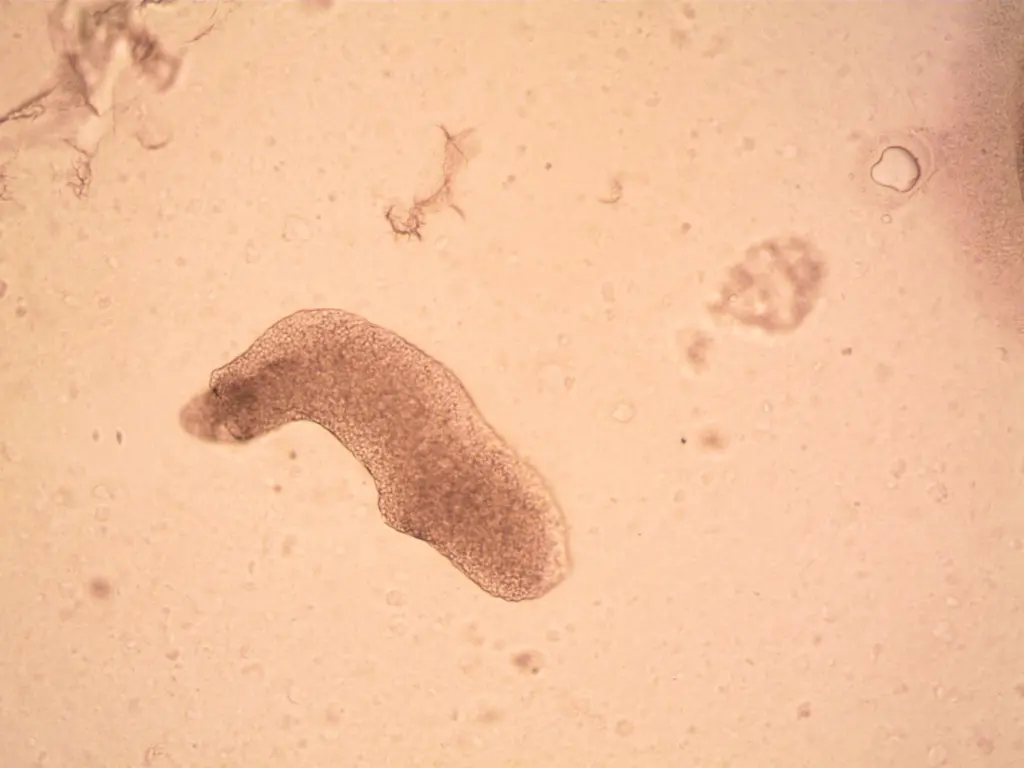
The third theme was biological, and it centred on tardigrades. It is the thread to follow if your interest is life science more than space. The detailed clue list is on DUST ARG tardigrade.
When reading any of these threads, separate three layers: what the story claimed, what the puzzle asked players to do, and what is actually documented by scientific institutions. DUST’s value as a history is the first two layers. The third belongs to the institutions themselves.
Puzzle types and how clues were gated
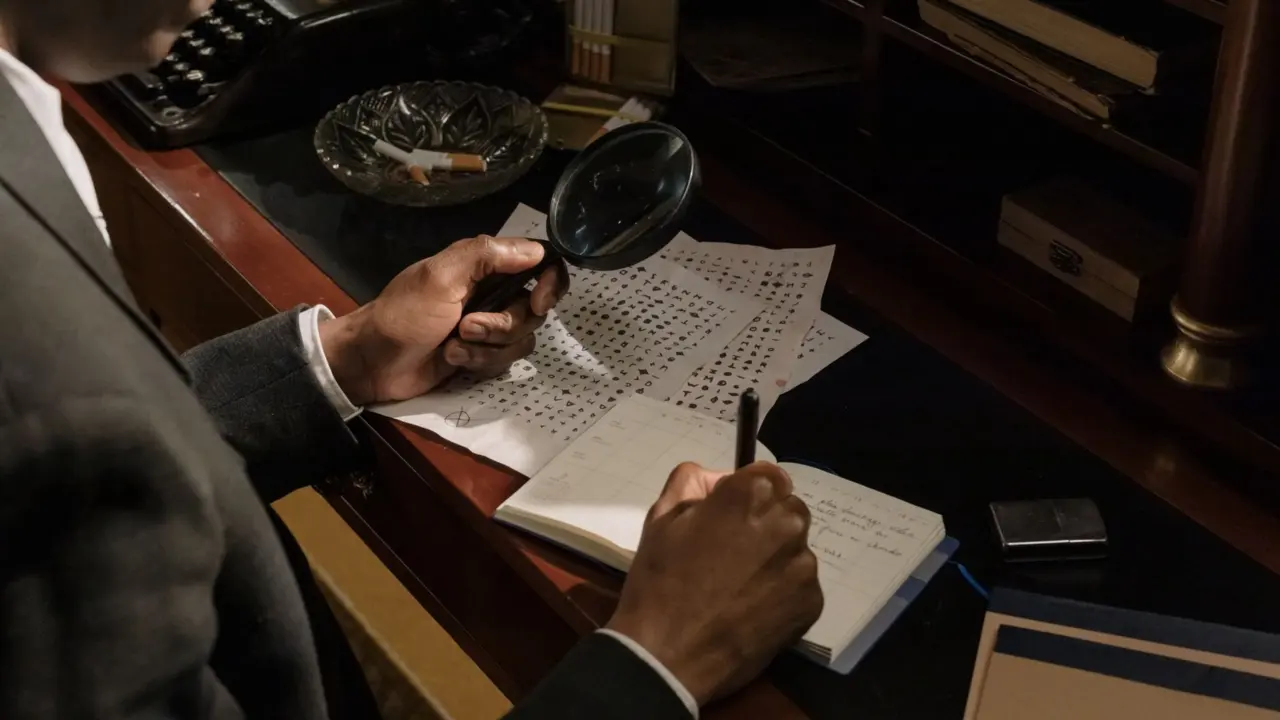
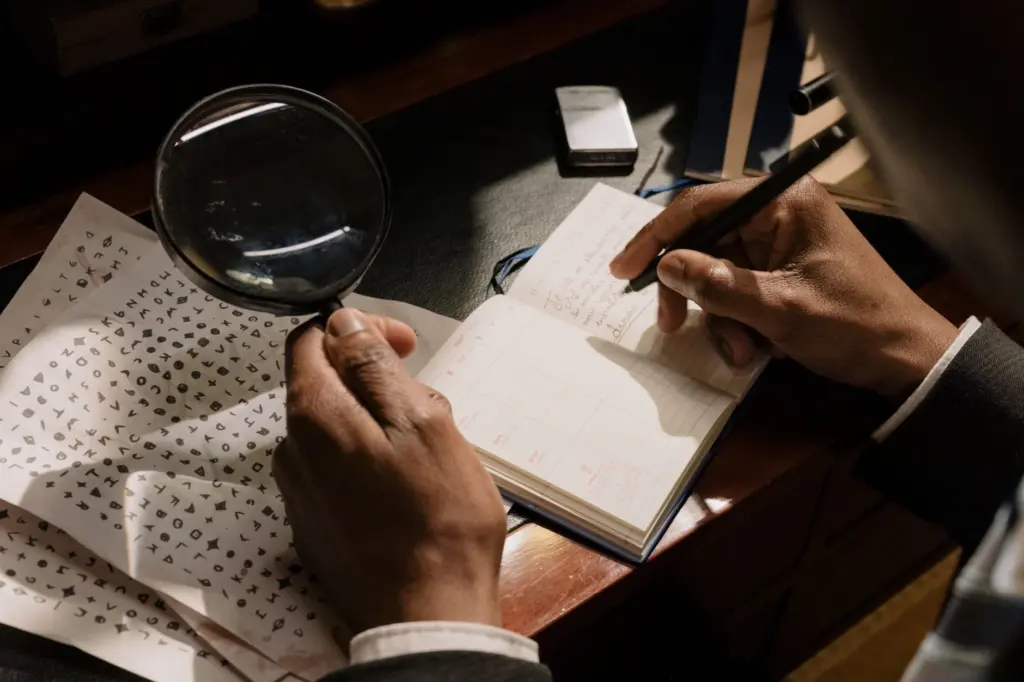
DUST’s puzzles ranged widely. The project describes problems as diverse as broken telecommunication equipment, a logic puzzle that requires computational thinking skills to gain a clue, and decrypting a message contained in alien DNA. Each one asked for a different kind of thinking, which is why a single solver rarely held every skill needed.
The logic puzzle shows the design most clearly. The clue is the reward, and the thinking skill is the gate. Solving is not a side activity to the story, because the story only advances when someone passes the gate. That is also how the project embeds learning in play. The learning sits inside the task rather than in a quiz after it.

The cipher task combines two moods. A message hidden in alien DNA is pure fiction, yet decoding it is a real procedure with steps and checks. Treat that pairing as the template for the whole game: invented premise, genuine method. The grid-style tasks are covered under DUST ARG matrix puzzle, and the rover storyline, which has its own tools and logic, appears at Space Rover DUST ARG.
The table below compares the main kinds of task the project describes. Use it to decide which kind of puzzle to study first.
| Task type | What players did | Planning use |
|---|---|---|
| Data analysis | Analyzed scientific data to find the source of the meteors | Start here if you like reading evidence and drawing conclusions |
| Mobile scanning | Took scans of collapsed adults in their lives using a mobile phone application | Study this to see how the game reached into everyday surroundings |
| Cipher | Decrypted a message contained in alien DNA | Best for readers who want a stepwise method with a clear answer |
| Repair problem | Worked on broken telecommunication equipment | Suits practical, problem-solving minds more than codebreakers |
| Logic puzzle | Used computational thinking skills to gain a clue | Shows how a clue was gated behind reasoning |
| Story building | Co-constructed the fictional storyline as they played | Read this to understand why accounts of the game differ |
These descriptions come from the University of Maryland’s DUST project page.
How the community solved puzzles together
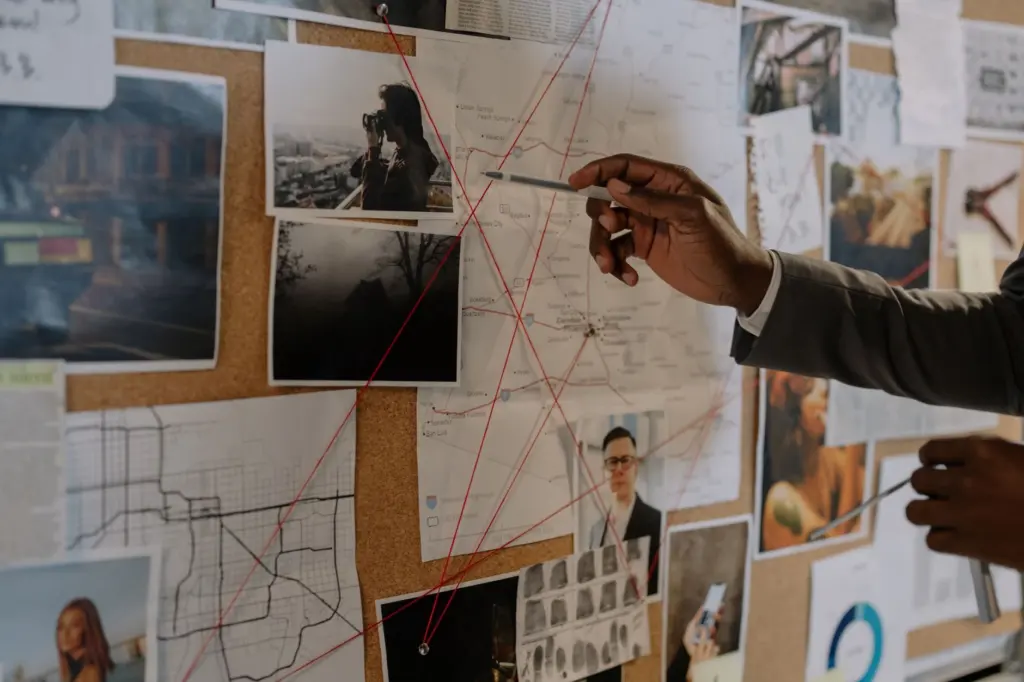
DUST depended on a crowd. ARGs typically ask players to collaborate with hundreds or thousands of other players dedicated to the same tasks, as the project page puts it. No single solver holds every skill, so splitting a cipher from a data problem from a repair puzzle is the natural way to work.
The project also counts the user-generated artifacts and discussions that occur as a result of gameplay as part of the experience. In practice that means a thread, a shared note or a player’s own write-up is evidence in the same way an official clue is. If you study the game now, those player contributions are as informative as the designers’ content. The detail of how people organised themselves is at DUST ARG community.
Three habits make a group effective in a game like this, and each follows from the way clues are spread across channels:
- Record where a clue came from. A fragment is only useful if others can find the original, so note its source when you share it.
- Share partial results. A half-solved cipher can still unlock another player’s idea, particularly when tasks need different skills.
- Separate story from solution. Because players co-construct the storyline, keep speculation labelled apart from confirmed answers.
The practical judgement is simple. Join a group early in any ARG, contribute small verified facts first, and leave big theories until others have checked them.
Playing an alternate reality game like DUST
You play an ARG by treating the real world as the game surface and the other players as your team. The original DUST run ended with spring 2015, so the closest modern experience is the replayable version that the project’s team developed for educational settings. Instructions for the original format are at how to play the DUST ARG.
A reasonable order of work looks like this:
- Read the premise first. Know who the characters are and what the crisis is before touching a puzzle, because the story tells you what the answer is for.
- Keep a clue log. Record each item, where it came from and what it connects to, since clues are spread across the virtual and real worlds.
- Try the hands-on tasks. A phone-based scan or a data task teaches you more about the format than reading about it does.
- Work with others. Share your log and read theirs, then settle which interpretations are confirmed.
- Add to the story. Because players co-construct the narrative, your own notes and discussion are part of the game rather than commentary on it.
The replayable version suits teachers and group leaders. It was developed for use in a number of educational settings, and the project names schools, museums, libraries and after-school programs. For a solo reader, the archived trail works better as a case study than as a live game. Readers who want to judge DUST against other space-themed ARGs can use DUST ARG vs other alternate reality games to see what set it apart.
Reading DUST as a research project
DUST was not only entertainment. The University of Maryland page lists funding from the National Science Foundation under award number 1323306, and describes the game as a way to explore informal STEM learning through alternate reality games. That framing explains the design choices above: science themes, skill-gated clues and a collaborative structure all serve a learning goal.
The research angle changes how you should read the trail. A puzzle that looks like decoration may be there to make a particular skill necessary, such as the computational thinking needed for the logic puzzle. A science theme may be there to connect the story to a real subject area. Reading the clues this way makes the trail a coherent design rather than a pile of unrelated tricks.
It also sets a limit. The game’s science threads are story devices built on real subjects, so treat the fiction and the documented science as separate things. Where you need verified detail about meteors or tardigrades, go to the scientific institutions that study them. For the project’s own evidence and what it records, see DUST ARG research notes.
A last decision for newcomers: if you value understanding over replaying, read the trail as a design case study. If you value experience, look for a replayable format or a live ARG elsewhere, because the original spring 2015 event cannot be repeated as it was.
Frequently asked questions
| Question | Answer |
|---|---|
| Did DUST players only follow a fixed story? | No. The project encouraged players to co-construct the fictional storyline as they played along, so the narrative grew with their contributions. |
| How do other descriptions define an ARG? | Sources describe ARGs as multiplayer role-playing games that use the real world as their primary platform, and as interactive narratives set in the real world that use multiple media to reveal a story. |
| How large are the player groups in an ARG? | The project describes collaboration with hundreds or thousands of other players dedicated to the same tasks. |
| Did DUST require a phone? | One task did. Players took scans of collapsed adults in their lives using a mobile phone application. |