| Story element | What to know | Planning use |
|---|---|---|
| Release and makers | Released May 30, 2019 by Mobius Digital, in collaboration with Annapurna Interactive. | Use the developer’s own page as the reference point for credits and release details. |
| Premise | An open world mystery about a solar system trapped in an endless time loop. | Because the game is a mystery, decide before reading further how much you want revealed. |
| Loop length | The Ash Twin Project is the cause of the 22-minute time loop. | Plan each trip around a single question, since the loop resets on a short clock. |
| Recognition | Winner of Best Game at the 2020 BAFTA Games Awards. | A reasonable signal that the story rewards patient, curiosity-led play. |
Release, premise and award details come from the developer’s Outer Wilds page, and the loop details from Polygon’s Ash Twin guide.
Outer Wilds explained: a time-loop space mystery in which an ancient machine resets the solar system, the Nomai left clues behind, and the story ends at the Eye of the Universe. Full spoilers follow.
If you enjoy this kind of puzzle-driven storytelling, our hub on science fiction space mystery stories places the game among related titles, and a list of the best space mystery games shows what to play next.
Living inside the time loop
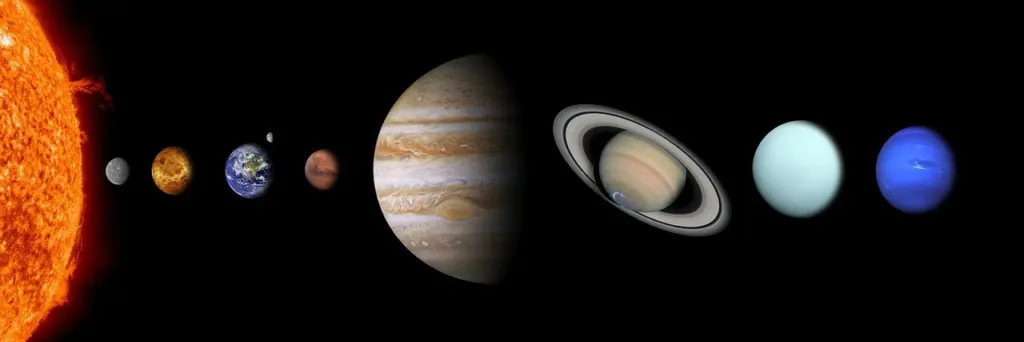
The time loop shapes how the whole story is told. You begin as the newest member of Outer Wilds Ventures, a fledgling space program, according to the developer. The game then asks you to work out who built the ruins on the moon, what lurks in the heart of Dark Bramble, and what is causing the loop.
Death does not end anything. As one ending analysis puts it, death is not permanent for either you or your character, and memory is shared between the two. Each restart therefore costs time but not understanding.
- Chase one question per loop. The Ash Twin Project is the cause of the 22-minute loop, so a trip with a single goal usually teaches more than a sweep of several planets.
- Treat dying as information. Memory carries over, so a failed attempt still moves the story forward. Rushing a risky route is a reasonable way to learn it.
- Let the music guide you. The composer, in an interview with Game Developer, described music that follows the player’s exploration so it does not lose importance and become wallpaper. Changes in the score can signal that you have moved somewhere new.
These consequences make more sense once you know who left the clues you are following.
The Nomai and what they were searching for
The Nomai are an ancient civilization of explorers and scientists whose remnants you find across the system, as described in the ending analysis. Their ship was destroyed, and they were stranded in a strange part of the universe that called out to them. That call is the thread connecting their expedition to the mystery you are solving.
This is why the ruins on the moon matter. They are the first evidence that someone else came here before you and was trying to understand something. Reading their writing, rather than fighting anything, is how the story advances.
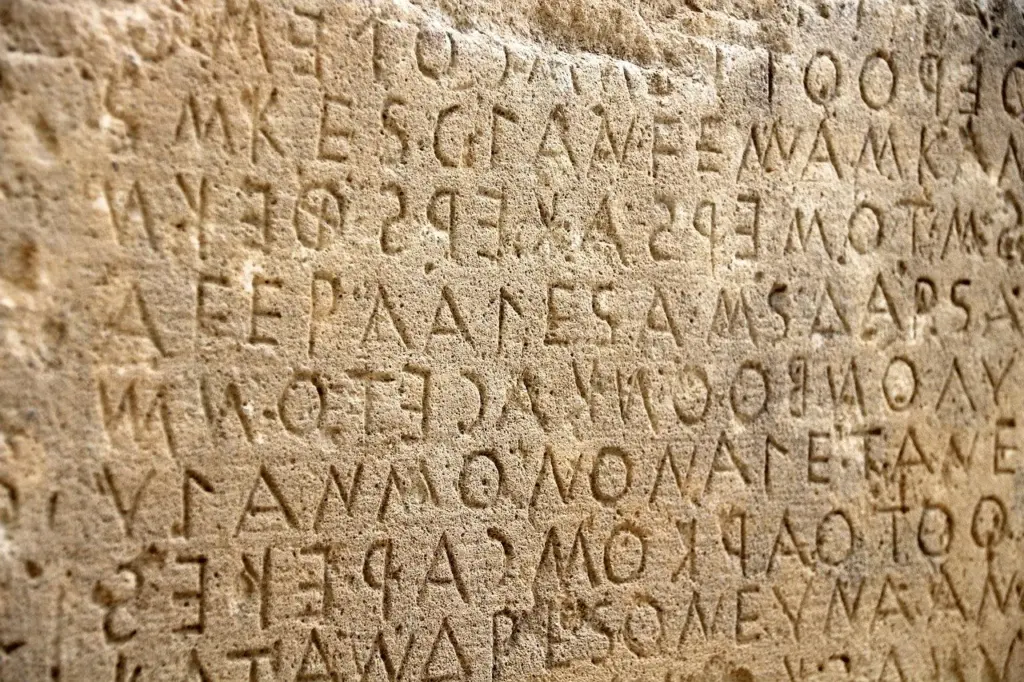
It helps to keep the Nomai separate from the living explorers you meet. Those characters are the Hearthian explorers, and they are covered in the FAQ below.
How the Ash Twin Project works
The Ash Twin Project is the Nomai machine behind the loop, and understanding it explains why the solar system keeps resetting. Polygon’s guide identifies it as the cause of the 22-minute time loop.
Towers and the warp core
The equator of the Ash Twin is ringed with towers, and each corresponds to a planet in the system. Inside the project, a blue ball switch opens the containing walls around its warp core, while a smaller switch toggles artificial gravity. In practice, that means the machine is physically operated by the player, not just described in logs.
Sun Station
The failed Sun Station is part of the same story. Nomai script there describes its shortcomings, which helps you see the Ash Twin Project as the Nomai’s answer to a problem their earlier attempt could not solve. If you are piecing the plot together, read the Sun Station writing before judging the Ash Twin Project’s purpose.
The sun’s supernova and the real astronomy it echoes
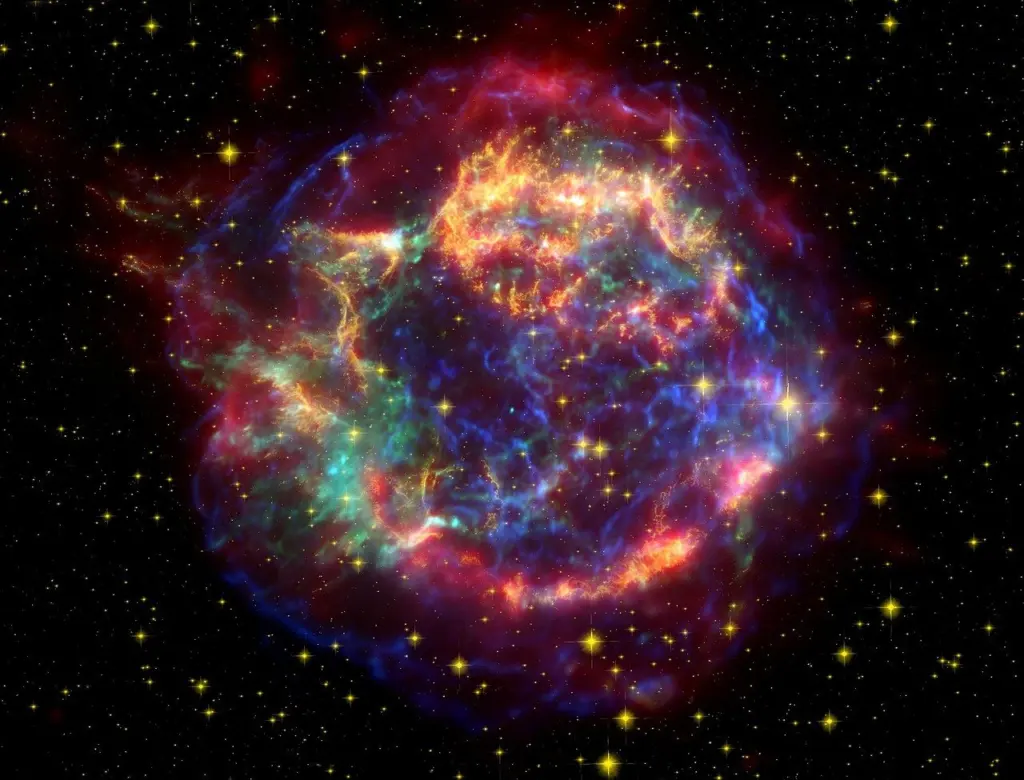
The story has the sun going supernova, and the flooxinflux analysis notes that the loop operates long before that happens. The loop lasts 22 minutes, so the star’s death sits well outside the window you actually play in. That gap gives the game its tension: the loop resets before the sun’s end arrives.
A supernova is the explosive death of a star, and its remnant is the glowing, expanding debris left behind. That real-world pattern of a star’s life ending, then scattering material outward, is the astronomy the story echoes. The game treats it as a looming event instead of a spectacle, so the end of the sun is something you learn about from the ruins and the writing, not something you can stop.
The Eye of the Universe
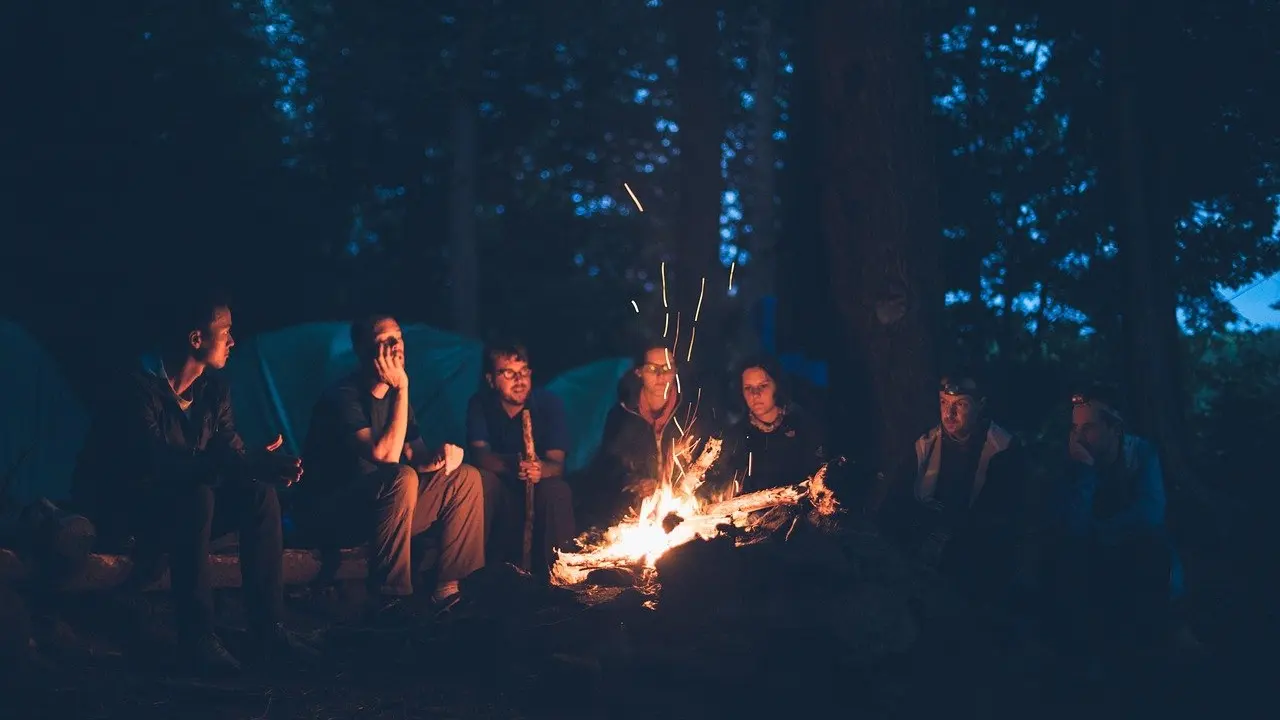
The Eye of the Universe is the destination where the story resolves, and what you find there is unexpectedly human. The ending analysis describes something that breaks through the cold, dark silence of the place: a campfire and a song.
The staging is deliberate. Musicians who have been playing their instruments solo on very different planets join together as a single band, as the Game Developer interview describes. The composer said it creates a concept of how humans can be emotionally connected no matter the distance.
The practical lesson for readers is that the ending is about connection, not conquest. If you reach it expecting a final battle or a single revealed answer, the quiet scene may surprise you, and that is the intent.
Release, awards and design intent
Mobius Digital released the game on May 30, 2019, in collaboration with Annapurna Interactive. The developer’s page also lists a win for Best Game at the 2020 BAFTA Games Awards, the only award-body honour it names.
The design intent is visible in two statements. The composer wanted music that follows exploration and avoids becoming wallpaper, and described the ending as a demonstration that people stay connected across distance. Together, they suggest a game built around curiosity and emotional payoff. For a different kind of puzzle about real worlds, unsolved mysteries of the moon offers a factual counterpart to the game’s lunar ruins.
Frequently asked questions
Who do you play in Outer Wilds?
You play the newest member of Outer Wilds Ventures, a fledgling space program, as the developer describes it.
Who are the other explorers you meet?
They are Chert, Esker, Feldspar, Gabbro and Riebeck, each stationed throughout the solar system. They are distinct from the ancient Nomai, whose remnants you study.
Which outlets named it Game of the Year 2019?
The developer’s page lists Giant Bomb, Polygon, Eurogamer and The Guardian.
Should I read this before playing?
It depends on how much you value discovery. The game is built as a mystery, so playing first preserves the surprise, while reading afterwards helps you connect what you saw.