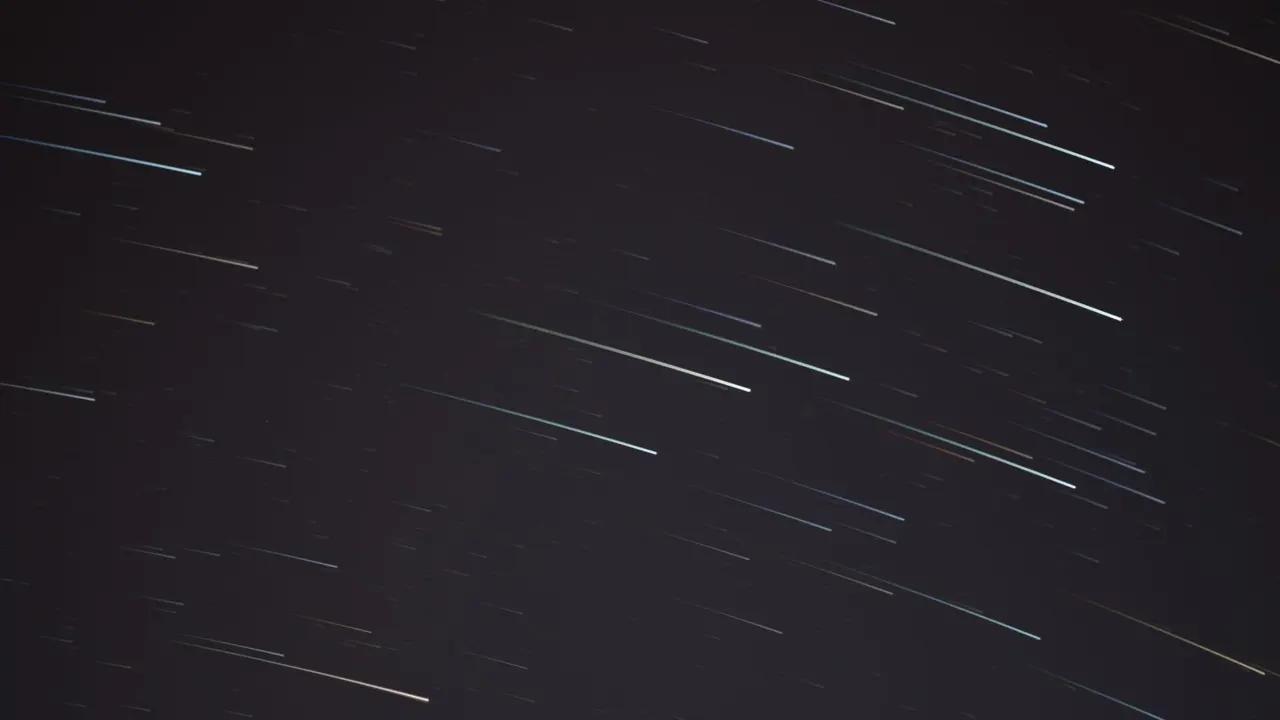
DUST ARG meteors are easiest to solve when each clue is treated as an observation. Separate the streak in the sky from the rock on the ground, and separate the Moon’s craters from Earth’s own impact history, before deciding what a clue asks.
This guide supports the dust alternate reality game overview. It covers only the observed-sky thread: meteors, meteorites, the Moon and impact craters, drawn from documented science.
How a meteor clue resolves, stage by stage
A DUST ARG meteor puzzle has the same logic as the real phenomenon. Material arrives from space, it is seen or recovered, and someone has to work out where it came from. Working in that order keeps you from jumping to an answer the clue does not support.
- Name the object. Decide whether the clue describes something seen in the sky (a meteor), something recovered (a meteorite), or a surface feature (an impact crater). These are different entities with different evidence.
- Trace the source. Ask where the material plausibly comes from. Collisions between small bodies and the dust they release are the natural starting point, covered in the next section.
- Match the material. If a clue mentions texture, droplets or crystals, compare it with what is documented about meteorites and comet dust.
- Check the Moon. If the clue turns to the sky and the Moon, test whether it points to craters, to the Moon’s origin, or to simple visibility.
- Cross-check before committing. Treat any figure the clue seems to want as an estimate unless a primary source states it.
The sections below follow these stages, because each one rules out a different kind of wrong answer.
Where falling dust comes from
Dust in the inner solar system has a steady supply. A discussion of the solar system’s dust lanes notes that collisions of small objects in the asteroid belt create a steady source of dust. That matters for puzzle logic: a clue about falling material does not need a rare event behind it. Ordinary, continuous processes already supply plenty.
The same article gives a sense of scale: one recent estimate puts the dust reaching Earth at about 60 tons per day. Read that as an order-of-magnitude picture rather than a measured constant. It is one estimate, and a puzzle answer that depends on an exact tonnage would be resting on weaker ground than the clue likely intends.
For a DUST ARG meteor puzzle, the practical implication is simple. If a clue talks about a constant or recurring fall, the steady dust supply is a better fit than a single dramatic impact. If it describes one bright event, you are looking at a meteor, and the dust figure is background rather than the answer.
From streak to specimen: meteorites
Meteorites are the recovered, physical end of the story, and they carry the details a clue is most likely to hide. Researchers at the University of Wisconsin-Madison, writing about Comet Wild 2 dust, described many crystalline objects that resemble flash-heated particles found in meteorites from asteroids. In other words, dust from a comet and rock from an asteroid can share features, so a clue that hints at “mixing” is pointing at a documented finding rather than inventing one.
Chondrules as a recognisable feature
The same university material describes chondrules as molten mineral droplets found in primitive meteorites. If a clue refers to tiny frozen droplets inside a stone, chondrules are the documented term to search for. They are a feature of primitive meteorites specifically, so do not apply the word to every space rock.
Why looks are not enough
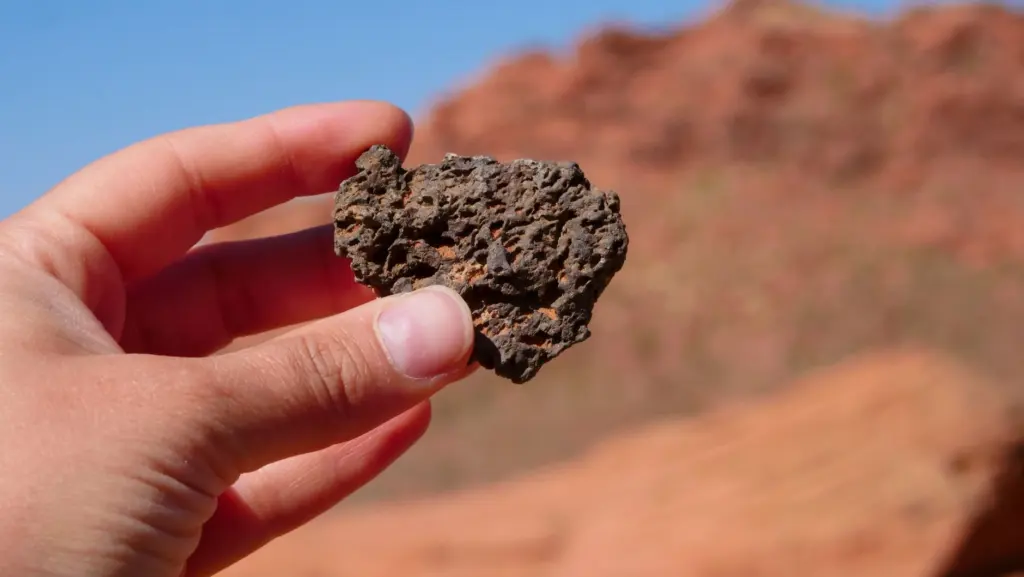
A pitted dark stone is easy to mistake for something it is not. When a DUST ARG clue shows a rock, the useful question is what the clue claims about its origin, not whether it resembles a meteorite. Anchor your answer to the documented features above and not to a photograph.
Moon clues and impact craters
DUST ARG moon clues are best read against what NASA-hosted research says about the Moon’s role in Earth’s history. A paper record on the early Earth states that the Moon-forming impact ensured that Earth as we know it emerged from a fog of silicate vapor. That ties the Moon directly to an impact, which makes lunar clues and meteor clues part of one story rather than two.
The popular picture of the early sky
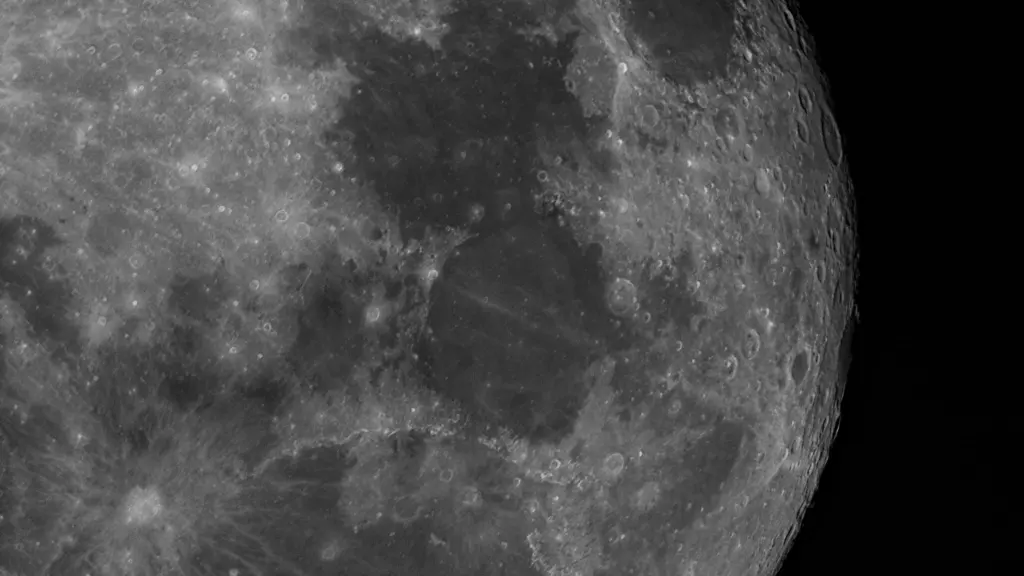
The same NASA record describes the popular image of the Hadean Earth as one of exploding meteors, huge craters and infernal heat, with the Moon looming gigantic in the sky. This is a depiction, and it is a useful reminder that a vivid picture is not evidence. If a clue borrows that imagery, the scene sets a mood. The answer usually lies in the specific object or feature named, not in the drama of the setting.
Craters and what they imply
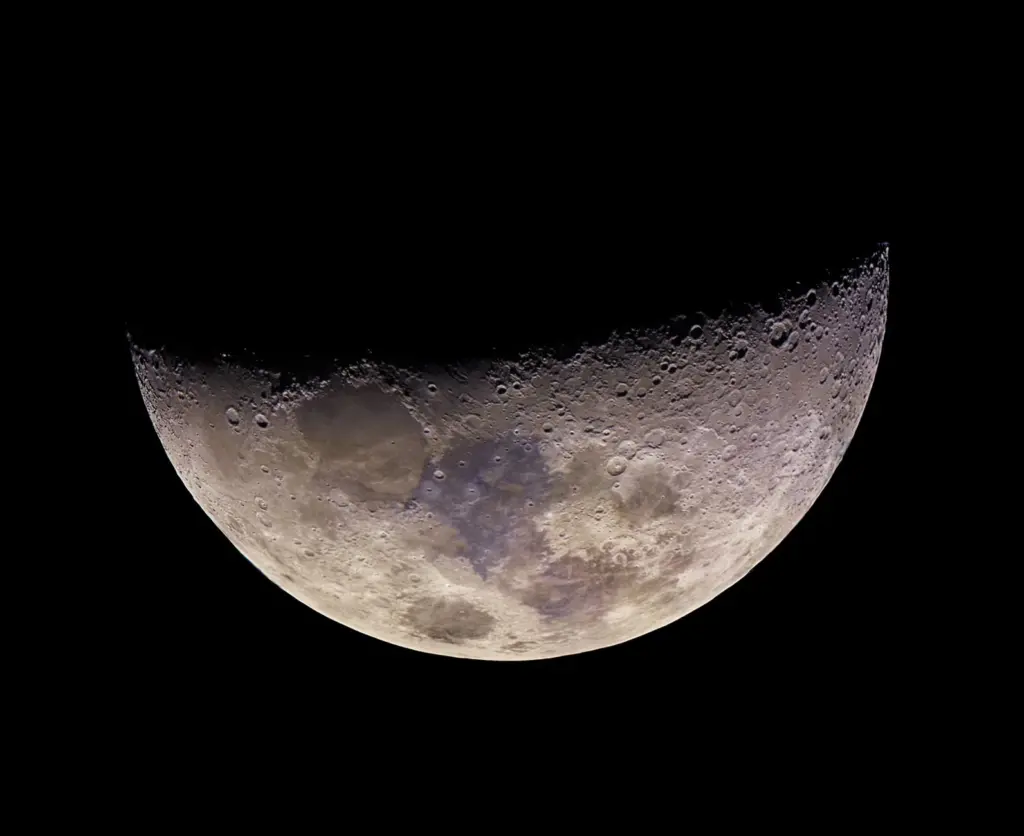
Impact craters are the lasting trace of material that reached a surface. On the Moon they remain readable, which is why they suit observation-based puzzles. Use them as a cue to look at the surface, and be cautious about deriving dates or sizes from an image alone.
Working an observed-sky puzzle without getting stuck
Most failures on an observed-sky puzzle come from mixing categories. These checks keep the categories apart.
- Keep meteor and meteorite apart. A streak in the sky and a stone in a collection call for different evidence. If your answer needs both, the clue should say so.
- Prefer documented terms. Chondrules, silicate vapor and the Moon-forming impact all appear in the cited research. A term you cannot trace to a reliable record is more likely a distraction than a key.
- Treat figures as estimates. The dust-fall number is one estimate. Use it for scale, and do not enter it as an exact answer unless the puzzle plainly asks for that estimate.
- Do not let imagery do the reasoning. Dramatic pictures of exploding meteors and giant Moons come from popular depictions. Look for the object the clue actually names.
- Prefer primary attribution. A space-agency record outranks a summary of it. When both are available, check the agency page for the wording you intend to rely on.
If you are stuck, step away from the sky and consider the other threads. The meteor material sits alongside a biology strand, and the connection between them may be what the puzzle is testing.
How this thread connects to the rest of DUST
The meteor thread is the observed-sky side of the game. The biology side is covered in the DUST ARG tardigrade clues, which suit readers who prefer to work from living organisms back to their origin. If you would rather follow the scanning and infection material, the DUST ARG health scanner guide picks up that strand.
Moving between threads is often the quickest way to test a theory. If a meteor-based answer contradicts what the biology or scanner clues imply, revisit the stage where you named the object.
Frequently asked questions
What is the quickest way to start a DUST ARG meteor puzzle?
Decide whether the clue describes a sky event, a recovered rock or a surface feature. That choice determines which evidence applies and removes many wrong answers early.
Do the Moon and meteors belong to the same puzzle thread?
They can. NASA-hosted research ties the Moon to an impact event, and the popular image of the early sky combines meteors, craters and a large Moon. A clue may use them together, but check which object it names.
Are chondrules relevant to meteor clues?
Only when a clue describes tiny molten-looking droplets in a stone. Chondrules are documented as molten mineral droplets found in primitive meteorites, so the term is specific to that material.
Can I rely on the daily dust-fall figure as an answer?
Use it as scale only. It is a single estimate of about 60 tons per day, and an exact answer built on it would be fragile.
Does a pitted rock in a clue image prove it is a meteorite?
No. Appearance is a weak guide, so rely on what the clue states about the object’s origin and on documented meteorite features.